



Branchennachrichten
Zuhause / Nachrichten / Branchennachrichten / Wie funktionieren Schmiedeteile für Windturbinengetriebe?
 Zuhause / Nachrichten / Branchennachrichten / Wie funktionieren Schmiedeteile für Windturbinengetriebe?
Branchennachrichten
Wie funktionieren Schmiedeteile für Windturbinengetriebe?
2026-06-12
Schmiedeteile für Windturbinengetriebe sind Präzisionsgefertigte Metallkomponenten Hergestellt durch kontrollierte Verformung von hochwertigem legiertem Stahl, der speziell für die Übertragung und Verstärkung von Rotationskräften im Antriebsstrang einer Windkraftanlage entwickelt wurde. Einfach ausgedrückt sind sie das strukturelle Rückgrat des Getriebes – sie wandeln die langsame, drehmomentstarke Drehung der Rotorblätter in die höhere Wellengeschwindigkeit um, die der elektrische Generator benötigt.
Der Rotor einer modernen Multi-Megawatt-Windkraftanlage dreht sich ungefähr mit einer Drehzahl von ca 5 bis 15 U/min , während der Generator Eingangsdrehzahlen von benötigt 1.000 bis 1.800 U/min . Das Getriebe überbrückt diese Lücke durch eine Reihe von Getriebestufen, und jedes Zahnrad, jede Welle, jedes Hohlrad und jeder Planetenträger in dieser Baugruppe muss über eine Lebensdauer von enormen zyklischen Belastungen standhalten 20 Jahre oder mehr . Schmiedeteile bieten eine feinkörnige Mikrostruktur und mechanische Integrität, mit denen gegossene oder aus Stangen gefertigte Alternativen in diesem Maßstab einfach nicht mithalten können.
Die Rolle des Getriebes bei der Windenergieumwandlung
Um zu verstehen, warum Schmiedequalität wichtig ist, ist es hilfreich, die mechanischen Anforderungen zu verstehen, die an ein Windkraftgetriebe gestellt werden. Der Antriebsstrang muss Folgendes bewältigen:
- Kontinuierlich variables Drehmoment, wenn die Windgeschwindigkeit unvorhersehbar schwankt
- Plötzliche Drehmomentspitzen bei Netzstörungen oder Notstopps
- Von der Rotornabe übertragene Biege- und Torsionskräfte
- Temperaturwechsel zwischen Kaltstart- und Betriebstemperaturen
- Milliarden von Ermüdungslastzyklen während der gesamten Lebensdauer der Turbine
Eine einzelne Planetengetriebestufe in einem 3-MW-Turbinengetriebe kann Spitzenkräften ausgesetzt sein, die die Tangentialkräfte überschreiten 500 kN . Nur Komponenten mit einer verfeinerten, homogenen Innenstruktur – erreichbar durch Schmieden – können diesen Bedingungen standhalten, ohne dass es zu Rissbildung oder vorzeitigem Ausfall kommt.
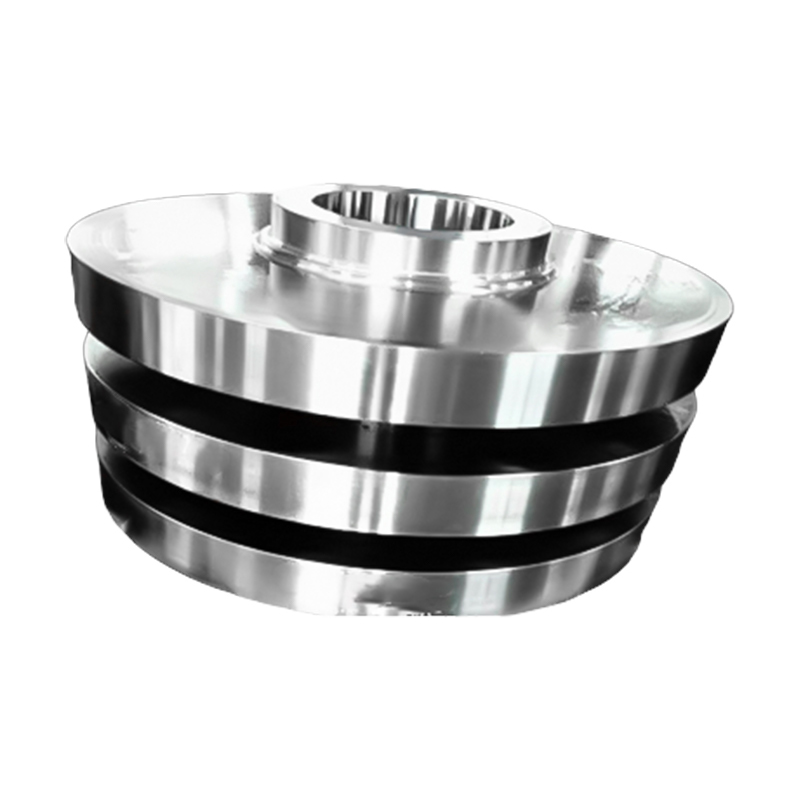
Durch Schmieden hergestellte Schlüsselkomponenten
Nicht jedes Teil eines Windkraftanlagengetriebes ist geschmiedet, die strukturell kritischsten jedoch schon. Folgende Bauteile werden routinemäßig als Schmiedeteile gefertigt:
| Komponente | Funktion | Typisches Material |
|---|---|---|
| Planetenträger | Unterstützt Planetenräder und überträgt Drehmoment in Planetenstufen | 18CrNiMo7-6 / 42CrMo4 |
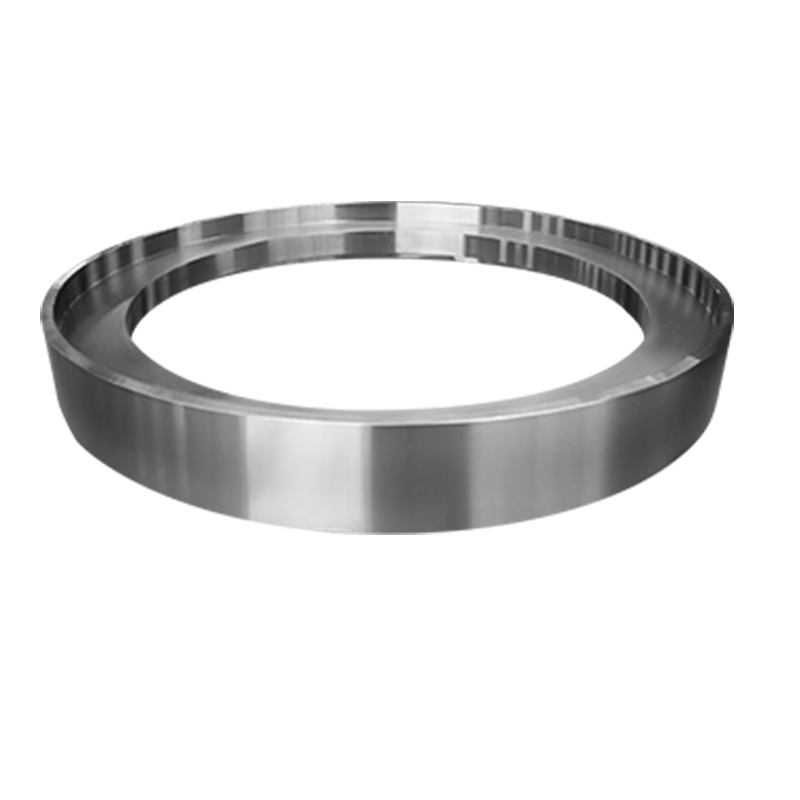
| Zahnkranzrohling | Äußeres Getriebegehäuse für den Eingriff der Planetenstufe | 42CrMo4 / 34CrNiMo6 |
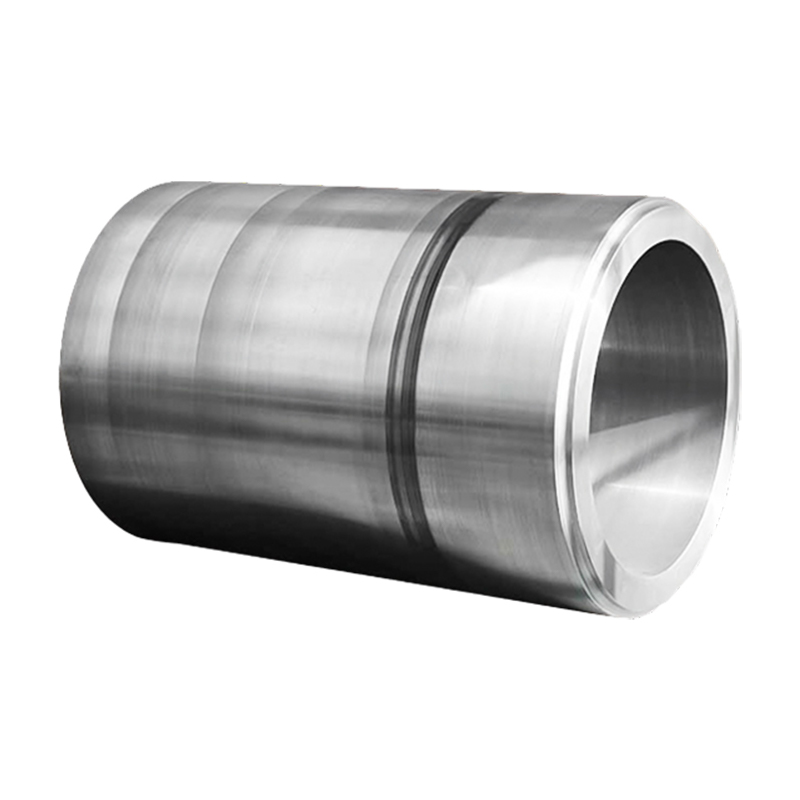
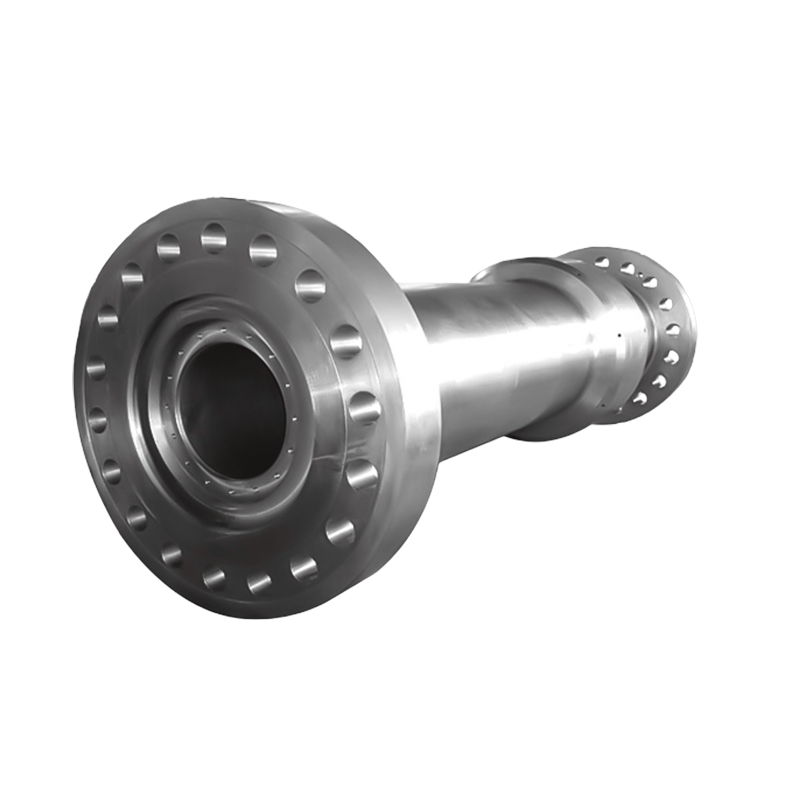
| Hohle Eingangswelle | Verbindet die Hauptrotorwelle mit der ersten Getriebestufe | 34CrNiMo6 / 30CrNiMo8 |
| Hochgeschwindigkeits-Abtriebswelle | Liefert Rotationsenergie an den Generator | 18CrNiMo7-6 |
| Schrägverzahnungsrohling | Kraftübertragung in Zwischen- und Hochgeschwindigkeitsstufen | 18CrNiMo7-6 |
| Getriebegehäuseflansch | Strukturelle Schnittstelle zwischen Getriebe und Gondelrahmen | 42CrMo4 / Baulegierter Stahl |
Materialauswahl für Getriebeschmiedeteile
Die Materialwahl ist die erste entscheidende Entscheidung bei der Herstellung eines zuverlässigen Getriebeschmiedeteils. Die Sorte muss mehrere, oft konkurrierende Anforderungen gleichzeitig erfüllen: hohe Härtbarkeit für tiefes Einsatzhärten, ausreichende Kernzähigkeit, um Stoßbelastungen standzuhalten, feine austenitische Korngröße für Ermüdungsbeständigkeit und Schweißbarkeit oder Bearbeitbarkeit für die Weiterverarbeitung.
Bevorzugte Legierungssorten
Die Branche hat sich auf eine relativ kurze Liste bewährter legierter Stähle geeinigt:
- 18CrNiMo7-6 — der am häufigsten verwendete Einsatzstahl für Zahnradrohlinge; erreicht eine Oberflächenhärte von 58–62 HRC nach dem Aufkohlen und Einsatzhärten unter Beibehaltung eines zähen Kerns mit den oben genannten Charpy-Schlagzähigkeitswerten 60 J bei −40 °C .
- 42CrMo4 – ein Vergütungsstahl, der bevorzugt für Wellen und Träger verwendet wird, die eine gleichmäßige Festigkeit im gesamten Querschnitt erfordern; typische Zugfestigkeit von 1.000–1.200 MPa nach der Wärmebehandlung.
- 34CrNiMo6 — bevorzugt für Eingangswellen mit großem Durchmesser, bei denen die Härtbarkeit des Querschnitts von entscheidender Bedeutung ist; ausgezeichnete Ermüdungsgrenze von ca 550 MPa .
- 30CrNiMo8 – wird für die anspruchsvollsten großen geschmiedeten Wellen in Multi-Megawatt-Plattformen verwendet, wobei die Streckgrenze häufig darüber liegt 900 MPa .
Sauberkeits- und Einschlusskontrolle
Ebenso wichtig ist die Sauberkeit des Stahls. Schmiedeteile von Windgetrieben erfordern typischerweise eine Vakuumentgasung (VD) oder ein Vakuumlichtbogenumschmelzen (VAR), um den Wasserstoffgehalt zu reduzieren 2 ppm und Schwefel unten 0,010 % . Die Bewertung der nichtmetallischen Einschlüsse muss Normen wie ISO 4967 oder ASTM E45 entsprechen, da selbst kleine Aluminiumoxid- oder Sulfidstränge bei hoher Lastwechselbelastung als Entstehungsstellen für Ermüdungsrisse wirken.
Der Schmiedeprozess Schritt für Schritt
Das Schmieden von Getriebekomponenten folgt einem sorgfältig kontrollierten Ablauf. Jede Stufe trägt zu den endgültigen mechanischen Eigenschaften des Teils bei.
1. Vorbereitung von Barren oder Knüppeln
Das Ausgangsmaterial ist typischerweise ein kontinuierlich gegossener Knüppel oder ein vakuumentgaster Barren. Für große Bauteile wie Planetenträger mit einem Gewicht von über 100 kg 1.000 kg Um die chemische Homogenität sicherzustellen, werden Barren bevorzugt. Die Ober- (Rohrzone) und Unterseite (Segregationszone) des Barrens werden abgeschnitten und entsorgt, um sicherzustellen, dass nur sauberes, homogenes Material in den Schmiedeprozess gelangt.
2. Erhitzen und Einweichen
Der Barren wird typischerweise in einem gasbefeuerten oder elektrischen Ofen auf den Schmiedetemperaturbereich erhitzt 1.100–1.250 °C für niedriglegierte Stähle. Die Einweichzeit wird auf der Grundlage der Abschnittsdicke berechnet, um eine gleichmäßige Temperatur im gesamten Querschnitt sicherzustellen und Temperaturgradienten zu vermeiden, die zu ungleichmäßiger Verformung und Eigenspannung führen würden.
3. Freiform- oder Gesenkschmieden
Abhängig von der Teilegeometrie und dem Produktionsvolumen kommt entweder das Freiformschmieden (Freischmieden) oder das Gesenkschmieden (Abformgesenk) zum Einsatz:
- Freiformschmieden ist Standard für große Wellen und Scheiben. Die Presskräfte reichen von 20 MN bis 125 MN für die schwersten Windgetriebekomponenten. Mehrere Durchgänge mit progressiven Reduktionsverhältnissen verfeinern die Kornstruktur und schließen innere Hohlräume.
- Gesenkschmieden eignet sich für die endkonturnahe Produktion kleinerer, geometrisch komplexer Teile wie Planetenradrohlinge und reduziert den Materialabfall und die anschließende Bearbeitungszugabe.
Die Schmiedeverhältnis – das Verhältnis von Anfangs- zu Endquerschnittsfläche – ist ein wichtiger Prozessparameter. Die Industriepraxis für Schmiedeteile von Windgetrieben erfordert typischerweise ein Mindestschmiedeverhältnis von 4:1 bis 6:1 um eine ausreichende Kornverfeinerung und die Beseitigung der Dendritenstruktur im Gusszustand sicherzustellen.
4. Kontrollierte Kühlung
Nach dem Schmieden werden die Teile unter kontrollierten Bedingungen abgekühlt. Schnelles oder unkontrolliertes Abkühlen kann zu Abschreckrissen oder durch Wasserstoff verursachten Restfehlern in Schmiedestücken aus legiertem Stahl führen. Die meisten großen Schmiedeteile werden in Isolierkästen gelegt oder in Öfen mit programmierten Geschwindigkeiten langsam abgekühlt 20–50 °C/Stunde bis ganz nach unten 300 °C .
Wärmebehandlung: Das volle mechanische Potenzial freisetzen
Durch Schmieden allein wird die Kornstruktur verfeinert, durch Wärmebehandlung wird jedoch das angestrebte mechanische Eigenschaftsprofil erreicht. Schmiedeteile von Windgetrieben werden einer oder mehreren der folgenden Wärmebehandlungsrouten unterzogen:
Normalisieren und Glühen
Unmittelbar nach dem Schmieden aufgetragen, um Schmiedespannungen abzubauen, die Mikrostruktur zu homogenisieren und die Bearbeitbarkeit vor der abschließenden Wärmebehandlung zu verbessern. Die Normalisierung erfolgt bei 850–920 °C , gefolgt von Luftkühlung.
Abschrecken und Anlassen (Q&T)
Für durchgehärtete Bauteile wie Wellen und Träger, Austenitisieren bei 840–880 °C Anschließend erfolgt ein Abschrecken mit Öl oder Wasser zur Bildung einer martensitischen Struktur und anschließendes Anlassen bei 550–650 °C um die angestrebte Kombination aus Festigkeit und Zähigkeit zu erreichen. Durch dieses Verfahren werden Zugfestigkeiten im Bereich von erreicht 900–1.200 MPa mit guter Kerbzähigkeit.
Einsatzhärten (aufkohlendes Abschrecken)
In Aufkohlungsöfen werden bei uns Getrieberohlinge aus Einsatzstählen wie 18CrNiMo7-6 verarbeitet 880–980 °C in einer kohlenstoffreichen Atmosphäre über viele Stunden hinweg und bildet dabei eine kohlenstoffangereicherte Oberflächenschicht 0,8–2,5 mm Tiefe. Nach dem Aufkohlen, Abschrecken und Anlassen bei niedriger Temperatur ( 150–200 °C ) ergeben eine Einsatzhärte von 58–62 HRC mit Druckeigenspannungen, die die Ermüdungsfestigkeit von Zahnfuß und -flanke deutlich erhöhen.
Induktionshärten
Wellenzapfen und Lagersitze werden häufig selektiv induktionsgehärtet, um eine lokale Oberflächenhärte von zu erreichen 54–62 HRC unter Beibehaltung der Kernzähigkeit. Dies ist besonders praktisch für große Wellen, bei denen eine vollständige Aufkohlung des Gehäuses unpraktisch wäre.
Warum das Schmieden bei Getriebekomponenten das Gießen übertrifft
Die mechanical advantages of forging over casting are well-documented in metallurgical literature and field failure analysis. The differences are especially pronounced under the fatigue-dominated loading conditions that wind gearbox components experience:
- Dauerfestigkeit: Schmiedestücke weisen typischerweise Ermüdungsgrenzen auf 20–30 % höher als vergleichbare Gussteile aus derselben Legierung, da die Porosität eliminiert wird und der Kornfluss an der Spannungsrichtung ausgerichtet ist.
- Schlagzähigkeit: Die unbroken grain flow in forgings gives Charpy impact values that can exceed those of castings by a factor of 2 bis 3 bei niedrigen Temperaturen, entscheidend für Offshore-Windkraftanlagen, die unter arktischen Bedingungen betrieben werden.
- Dimensionskonsistenz: Durch kontrolliertes Gesenkschmieden werden engere Maßtoleranzen erreicht, wodurch die Bearbeitungszeit und der Materialabtrag reduziert werden.
- Oberflächenintegrität: Die deformed, compressed surface of a forging is inherently more resistant to surface fatigue, pitting, and micro-crack initiation than a cast surface.
| Eigentum | Schmieden | Casting |
|---|---|---|
| Kornstruktur | Verfeinert, auf die Teilegeometrie abgestimmt | Grob dendritisch, zufällige Ausrichtung |
| Interne Porosität | Entfällt bei Verformung | Inhärentes Risiko der Schrumpfporosität |
| Zugfestigkeit | 900–1.200 MPa (alloy Q&T) | 600–900 MPa (typischer Strukturguss) |
| Ermüdungsgrenze | Um 20–30 % höher | Grundlinie |
| NTE-Zuverlässigkeit | Hoch (einheitliche Struktur) | Komplexer (Gasporen, Schrumpfung) |
Präzisionsbearbeitung nach dem Schmieden
Schmiedeteile kommen als rohgeformte, endkonturnahe Komponenten an und müssen vor dem Zusammenbau auf genaue technische Toleranzen endbearbeitet werden. Die Bearbeitungsschritte umfassen:
- Grobes Drehen und Fräsen um Schmiedezunder zu entfernen und Außenabmessungen innerhalb der Grobbearbeitungstoleranzen zu bringen
- Schneiden von Zahnrädern durch Wälzfräsen oder Formen, gefolgt von Schaben oder Schleifen, um Zahnprofilgenauigkeitsklassen von zu erreichen ISO 5 oder besser
- Hartdrehen und Rundschleifen von Lagerzapfen, um Oberflächenrauheitswerte von zu erreichen Ra 0,4–0,8 µm und Rundheitstoleranzen innerhalb 5 µm
- Zahnschleifen nach dem Einsatzhärten, um thermische Verformungen zu korrigieren und endgültige Profil- und Steigungstoleranzen zu erreichen
- Kugelstrahlen der Zahnwurzeln, um vorteilhafte Druckeigenspannungen einzuführen und so die Ermüdungslebensdauer zu verlängern 15–25 %
Die integrated combination of forging, heat treatment, and precision machining within a single production organization — as practiced by comprehensive heavy industrial manufacturers — is critical for maintaining quality chain continuity and minimizing inter-process handling damage.
Qualitätsprüfung und zerstörungsfreie Bewertung
Angesichts der sicherheitskritischen Natur von Schmiedeteilen für Windgetriebe ist eine umfassende Inspektion in mehreren Produktionsstufen obligatorisch. Der Standard-Inspektionsablauf umfasst:
- Ultraschallprüfung (UT) – Wird am rohen Schmiedeteil durchgeführt, um interne Diskontinuitäten wie Rohrreste, Wasserstoffflocken oder Entmischungsbänder zu erkennen. Die Akzeptanzkriterien folgen typischerweise EN 10228-3 oder ASTM A388.
- Magnetpulverinspektion (MPI) – Wird zur Erkennung von Oberflächen- und oberflächennahen Rissen nach der Endbearbeitung und Wärmebehandlung eingesetzt.
- Härteprüfung — Brinell- oder Rockwell-Messungen bestätigen, dass durch die Wärmebehandlung der angegebene Härtebereich über den gesamten Querschnitt erreicht wurde.
- Prüfung der mechanischen Eigenschaften — Zeugentestproben aus Schmiedeverlängerungen (Verlängerungen) werden auf Zugfestigkeit, Streckgrenze, Dehnung, Flächenreduzierung und Charpy-Schlagenergie getestet, normalerweise sowohl bei Umgebungstemperatur als auch bei Umgebungstemperatur −40 °C .
- Dimensions- und Zahnradmesstechnik — Koordinatenmessgeräte (CMM) und Zahnradanalysemaschinen überprüfen, ob alle Maßtoleranzen, einschließlich Zahnprofil, Schrägungswinkel, Steigung und Rundlauf, innerhalb der Zeichnungsspezifikationen liegen.
- Überprüfung der Oberflächenrauheit und der Gehäusetiefe – stellt sicher, dass aufgekohlte Schichten die spezifizierten Anforderungen an die effektive Härtetiefe und Oberflächenhärte erfüllen.
Eine vollständige Rückverfolgbarkeitsdokumentation begleitet jedes Schmiedestück, von der Schmelzwärmezahl und dem Zertifikat über die chemische Zusammensetzung bis hin zu Endkontrollprotokollen, was vollständige Prüfpfade ermöglicht, die von Zertifizierungsstellen für Windkraftanlagen gefordert werden.
Installationsanleitung für Windgetriebe-Schmiedeteile
Selbst Schmiedestücke von höchster Qualität können bei falscher Installation schlechtere Leistung erbringen. Für Getriebewellen- und Zahnradbaugruppen gelten die folgenden Best Practices für die Installation:
- Sauberkeit: Alle Passflächen, Keilnuten, Keilnuten und Lagergehäuse müssen vor dem Zusammenbau gründlich gereinigt und entfettet werden. Kontaminationspartikel so klein wie 20 µm kann zu Schäden durch Reibverschleiß an Presssitzverbindungen führen.
- Presspassungen: Schrumpfteile sollten erwärmt werden 80–120 °C über der Umgebungstemperatur (normalerweise mit Induktionsheizgeräten oder kontrollierten Öfen), um vor dem Zusammenbau die erforderliche Wärmeausdehnung zu erreichen. Flammenerhitzung ist nicht akzeptabel, da sie lokale metallurgische Schäden verursacht.
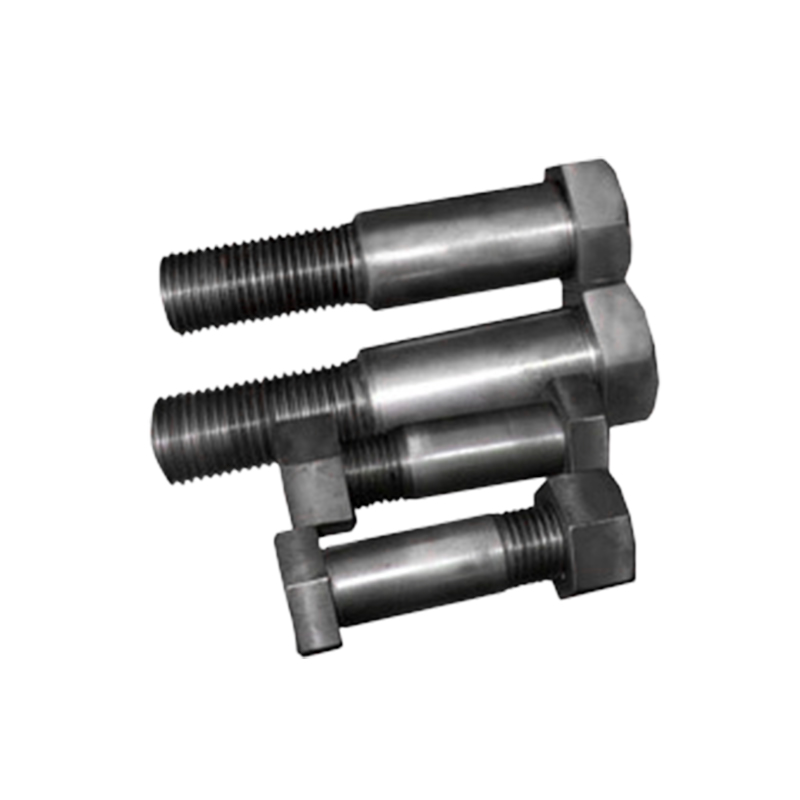
- Drehmoment und Vorspannung: Alle Befestigungselemente sollten mit kalibrierten Drehmomentwerkzeugen mit den angegebenen Drehmomentwerten angezogen werden. Bei Flanschschrauben mit großem Durchmesser wird die hydraulische Schraubenspannung bevorzugt, um eine gleichmäßige Vorspannungsverteilung sicherzustellen.
- Ausrichtung: Die Ausrichtung der Wellenkupplung muss mit Messuhren oder Laserausrichtungswerkzeugen überprüft werden, um Parallelität und Winkelausrichtung innerhalb der vom Hersteller angegebenen Toleranz sicherzustellen, typischerweise innerhalb 0,05 mm/m .
- Schmierung: Die correct grade of synthetic gearbox oil (typically ISO VG 320 or ISO VG 460) must be used at the recommended fill level, and the first oil change is typically scheduled within the initial 500–1.000 Betriebsstunden um eingelaufene Verschleißpartikel auszuspülen.
Häufige Fehlermodi und Diagnoseansätze
Das Verständnis der Fehlermodi von Getriebeschmiedeteilen ermöglicht eine proaktive Wartungsplanung. Die am häufigsten auftretenden Fehlermodi sind:
Zahnermüdung (Lochfraß und Abplatzungen)
Kontaktermüdung äußert sich in Oberflächennarben auf der Teillinie der Zahnradzähne, die schließlich zu Abplatzungen führen, bei denen größere Flocken aus einsatzgehärtetem Material abbrechen. Zu den Ursachen gehören Überlastung, Zusammenbruch des Schmierfilms und unzureichende Einsatzhärtetiefe. Die Analyse des Schwingungsspektrums liefert typischerweise Aufschluss Zahneingriffsfrequenzseitenbänder bevor ein optischer Schaden erkennbar ist.
Biegeermüdung an der Zahnwurzel
Zyklische Biegespannungen am Zahnfuß können zu Ermüdungsrissen führen, insbesondere wenn die Härtetiefe nicht ausreicht, die Zahnfußgeometrie nicht richtig geschliffen ist oder anormale dynamische Belastungen aufgetreten sind. Wurzelrisse breiten sich schnell aus und können zu katastrophalen Zahnfrakturen führen. Erkennung von Ölpartikelpartikeln (Ferrographie). Brocken größer als 50 µm im Schmierkreislauf ist ein Frühwarnzeichen.
Wellenermüdungsriss
Wellen sind anfällig für Ermüdungsrisse an Spannungskonzentrationsmerkmalen wie Keilnuten, Sprengringnuten und Schulterkehlen. Richtige Größe des Kehlradius (normalerweise R ≥ 2 mm an kritischen Übergängen) und das Kugelstrahlen von Keilnuten gehören zu den Standardmaßnahmen zur Schadensminderung in modernen Konstruktionen.
Fressen und Abplatzen des Lagerlaufrings
Planetenradlager und Hauptwellenlager sind Teile mit hohem Verschleiß. Abplatzungen von Lagerringen erzeugen charakteristische hochfrequente Schwingungssignaturen, die von Beschleunigungsmessern erfasst werden können. Zustandsüberwachungssysteme messen Proben mit den oben genannten Raten 20 kHz kann frühe Lagerprobleme erkennen, Wochen bevor der Ausfall eskaliert.
Diagnosetools
Moderne Windkraftanlagen integrieren kontinuierliche Zustandsüberwachungssysteme (CMS), die Folgendes protokollieren:
- Schwingungsspektren von Beschleunigungssensoren am Getriebegehäuse
- Öltemperatur, Viskosität und Anzahl der Schmutzpartikel
- Akustische Emissionssignale von Lagerringen
- Drehmoment- und Drehzahldaten aus SCADA-Systemen
Wenn Anomalien erkannt werden, kann eine endoskopische Inspektion der Zahnoberflächen vor Ort und eine Ölprobenahme zur spektrometrischen Analyse den Defekt bestätigen und charakterisieren, bevor ein geplanter Austausch geplant wird, wodurch ungeplante Ausfallkosten vermieden werden können 50.000 bis 200.000 Euro pro Vorfall für Offshore-Anlagen.
Wie sich die Schmiedequalität direkt auf die Effizienz der Windenergie auswirkt
Die connection between forging quality and wind farm energy yield is direct and quantifiable. A gearbox that operates reliably and efficiently contributes to turbine availability, which is the primary driver of annual energy production (AEP).
Branchen-Benchmark-Daten deuten darauf hin, dass Getriebeausfälle etwa einen Anteil davon ausmachen 10–20 % der ungeplanten Ausfallzeiten von Windkraftanlagen , mit durchschnittlichen Reparaturzeiten von 5 bis 14 Tage je nach Kranverfügbarkeit und Komponentenvorlaufzeiten. Für eine 3-MW-Turbine, die mit a betrieben wird 35 % Kapazitätsfaktor entspricht etwa einer Woche ungeplanter Getriebeausfallzeit 588 MWh verlorene Erzeugung .
Über die Verfügbarkeit hinaus ist der mechanische Wirkungsgrad des Getriebes direkt mit den Kraftübertragungsverlusten verknüpft. Hochwertig geschmiedete und präzisionsgeschliffene Zahnradsätze mit optimaler Oberflächengüte und Zahngeometrie können die oben genannten Wirkungsgrade der Schrägverzahnungsstufe erreichen 99,5 % pro Masche . Für ein dreistufiges Getriebe ergibt sich daraus ein Gesamtübertragungswirkungsgrad von ca 98,5 % , wodurch die Umwandlung der kinetischen Energie des Rotors in elektrische Leistung maximiert wird.
Aus diesem Grund spezifizieren seriöse Windkraftanlagenhersteller und OEM-Getriebelieferanten geschmiedete Komponenten mit präzisen metallurgischen und maßlichen Anforderungen – die Investition in die Schmiedequalität wird durch längere Lebensdauer und geringere Wartungskosten über den gesamten Lebenszyklus um ein Vielfaches amortisiert.
ACE Group: Integrierte Schmiedefertigung von Windturbinengetrieben
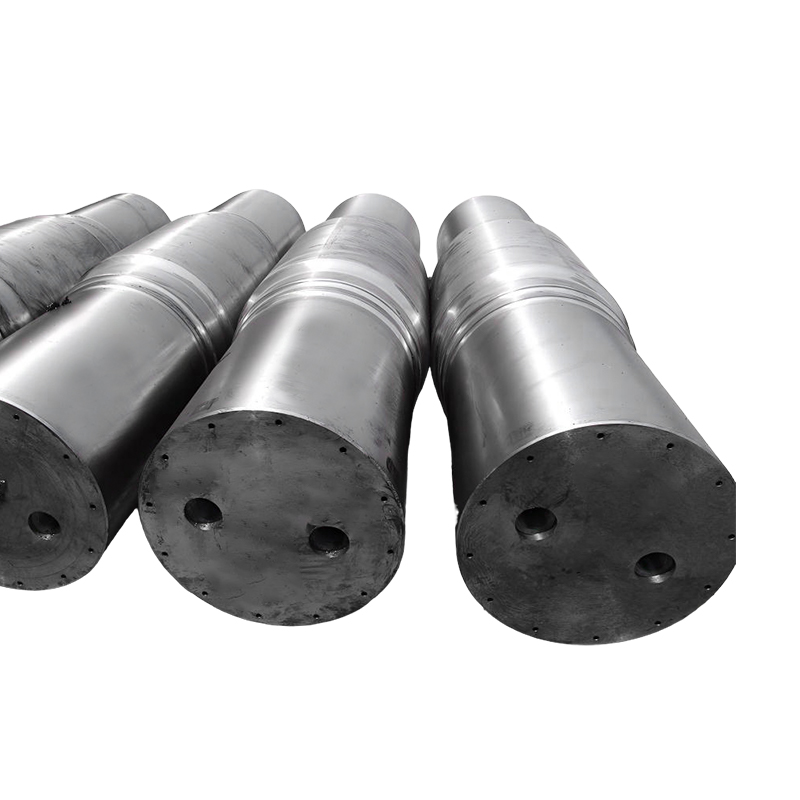
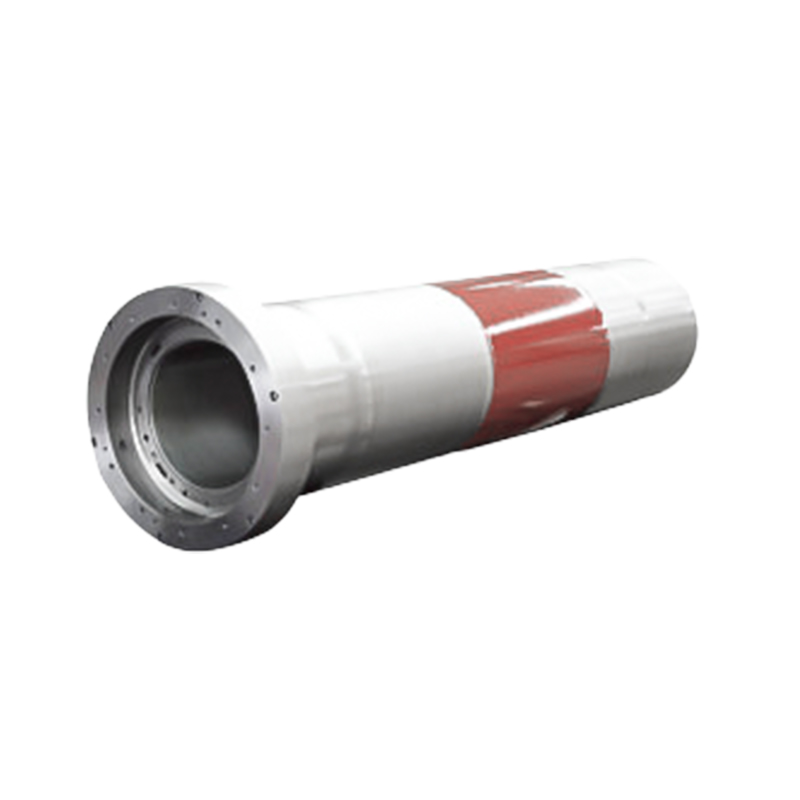
Die ACE Group ist eine umfassende Unternehmensgruppe mit einer fokussierten Präsenz im Schwerindustrie-Fertigungssektor, die als spezialisiertes Unternehmen tätig ist Lieferant von Schmiedeteilen für Windturbinengetriebe . Das integrierte Geschäftsmodell des Unternehmens umfasst Schmieden, Wärmebehandlung, Präzisionsbearbeitung, Schweißkonstruktionen und leistungsstarke Power-and-Free-Kettenspritzproduktion – und deckt damit die gesamten Kernfertigungsprozesse ab, die für Industriemaschinenkomponenten erforderlich sind.
Dieses integrierte Layout ist ein erheblicher betrieblicher Vorteil in der Windenergie-Lieferkette. Durch die Kontrolle des Schmiedens, der Wärmebehandlung und der Präzisionsbearbeitung in einer einzigen Organisation eliminiert die ACE Group Risiken bei der Handhabung zwischen den Anlagen, sorgt für eine kontinuierliche Rückverfolgbarkeit der Qualitätskette und kann die Verarbeitungssequenz für jedes einzelne Bauteil optimieren – von der anfänglichen Auswahl der Schmiedeparameter bis hin zur abschließenden Maßkontrolle und Zertifizierung.
Die combination of technologisches Know-how und die Fähigkeit zur Großserienfertigung versetzt die ACE Group in die Lage, globale OEMs von Windturbinengetrieben und Tier-1-Zulieferer zu beliefern, die konsistente, zertifizierte Schmiedelieferungen für Multi-Megawatt-Turbinenplattformen benötigen.

Nachrichten
Schreiben Sie uns jetzt eine Nachricht!
-
Mobiles Terminal
-
Quicklinks
Produkte Über uns Ausstattung und Kapazität Qualität Nachrichten Kontaktieren Sie uns -
Produktkategorie
Schmiedeteile für elektrische Energie Schmiedeteile für Schiffs- und Hafenmaschinen Bergbau- und Metallurgie-Schmiedeteile Schmiedeteile für Lebensmittel- und Futtermittelmaschinen Schmiedeteile für die petrochemische Industrie Schweißfertigung MASSGESCHNEIDERTE FERTIGTEILE -
Kontaktieren Sie uns
Mob.: +86-173 7218 0878 Tel.: +86-515-8389 0396 E-mail: ivy.zhai@aceprocess.cn Add.: Nr. 21 Jinfeng Road, Wirtschaftsentwicklungspark, Bezirk Dafeng, Stadt Yancheng, Jiangsu, China
Urheberrecht © 2025 Yancheng ACE Machinery Co., Ltd. Alle Rechte vorbehalten.
Hersteller von Freiformschmiedeteilen in China
Lieferant kundenspezifischer Präzisionsschmiedeteile
